Zero-Waste Bathroom Setup: A No-Jargon Starter Guide
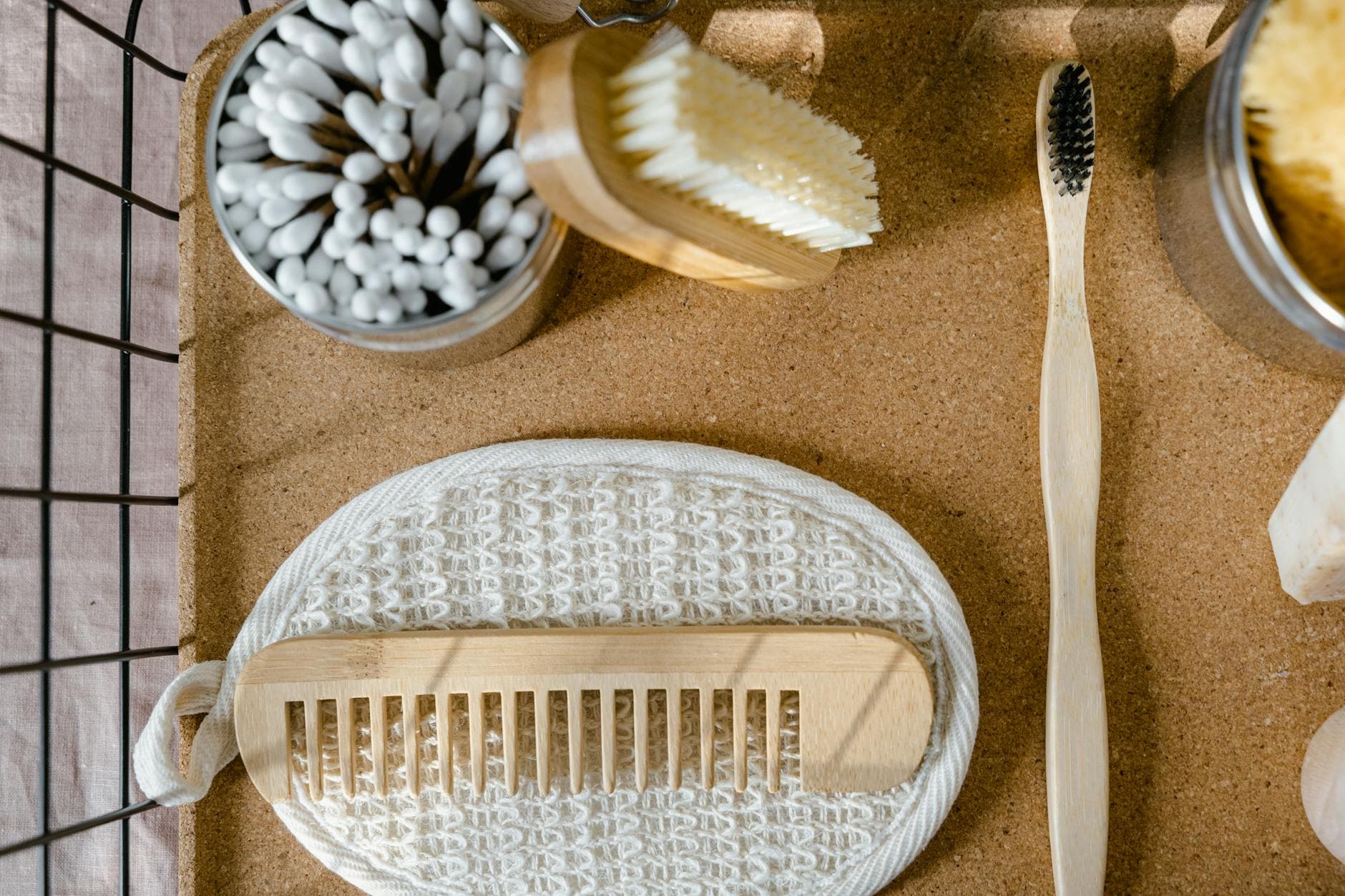
The bathroom is quietly one of the most wasteful rooms in the house. The EPA estimates that Americans generate about 292 million tons of solid waste per year, and a significant chunk of it traces back to single-use personal care packaging. Shampoo bottles, disposable razors, plastic floss picks, toothbrushes that get tossed every three months. It adds up fast, and most of it is not recyclable in any practical sense.
The good news: the bathroom is also one of the easiest places to start making changes, because the product list is short and the swaps are mature. You are not experimenting with fringe alternatives anymore. You are just buying a different version of something you already use every day.
This guide is not going to ask you to make seventeen changes at once. Pick the ones that make sense for where you are right now.
Why the Bathroom Deserves Your Attention First
Kitchen waste gets most of the press, but bathrooms punch above their weight. The average person uses 11 personal care products daily, according to research compiled by the Environmental Working Group. Each one typically comes in its own plastic container, most of which are too small or too contaminated to be accepted by curbside recycling programs.
Toothbrushes alone are a useful illustration. The ADA recommends replacing yours every three to four months. At that rate, one person goes through roughly 300 toothbrushes in a lifetime. Multiply that by 330 million Americans and you start to see why plastic-handled brushes sitting in landfills is a legitimate issue, not an exaggeration.
The point is not guilt. The point is that small, repeated purchases are exactly where sustainable swaps have the most leverage.
Start With the Things You Replace Most Often
The highest-impact swaps are the ones you make repeatedly, not once. That means toothbrushes, floss, soap, shampoo, and razors deserve your attention before anything else.
Toothbrushes: Bamboo handles biodegrade; plastic ones do not. Most bamboo brushes use nylon bristles, which you should clip and toss before composting the handle. A small step, but a real one. Some brands are now experimenting with plant-based bristle materials, though research suggests full biodegradability there is still inconsistent.
Floss: Conventional floss is typically made from nylon or PTFE (the same family of chemicals as Teflon) and packaged in plastic. Silk or cornstarch-based flosses in refillable glass containers exist and work. The refill model means you buy the container once and just restock the spool. It is a genuinely good system.
Soap: Bar soap almost always wins on packaging versus liquid soap in a pump bottle. A naked bar of soap creates essentially zero packaging waste. If you prefer liquid hand soap, look for concentrate refills that ship in much smaller containers and dilute at home.
Shampoo and conditioner bars: These have gotten dramatically better in the last few years. Early versions left a waxy residue; newer formulations mostly do not. They last longer than bottled alternatives, take up less space, and travel well. Worth trying if you have not revisited them recently.
Razors: A safety razor with replaceable steel blades is the classic swap here. Steel blades are widely recyclable. The handle lasts years. The upfront cost is higher; the long-run cost is lower.
The Dental Corner Is Easier Than You Think
Oral care tends to intimidate people because it feels clinical. You do not want to mess with your teeth. That hesitation is reasonable, but it should not stop you from switching from a plastic toothbrush to a bamboo one. The bristles work the same way. The ADA's guidance on brushing technique does not change based on handle material.
The same logic applies to toothpaste. Conventional tubes are notoriously hard to recycle because they are made from mixed materials. Tablet and powder formats packaged in glass or aluminum are real alternatives. Research suggests fluoride tablets are effective when used correctly, though if you have specific dental concerns, checking with your dentist is always the right move.
At Brush Club, we built the whole product line around this specific corner of the bathroom because it was the easiest place to make a complete swap without any real sacrifice. You can check out what that looks like at /shop.
Tackle Packaging Systemically, Not Product by Product
Once you have handled the high-frequency items, the next move is thinking in systems rather than individual products. Ask two questions about anything new you buy: What is it packaged in? Can I get a refill?
Refill programs are expanding fast. Many indie brands now ship refill pouches that use a fraction of the plastic of a full bottle. Some cities have zero-waste refill stores where you bring your own containers. Neither option requires a dramatic lifestyle shift.
Concentrates are another underrated tool. A single small bottle of concentrated cleaner diluted into a reusable spray bottle replaces a full-size plastic bottle every time. The shipping footprint is smaller, the cost is usually lower, and your under-sink cabinet stops looking like a recycling bin.
What Not to Stress About
Perfectionism is where most people quit. A few honest notes:
Not every product has a good zero-waste alternative yet. Sunscreen, prescription medications, some medical or accessibility-related items: these are not areas to optimize around. Use what you need.
Recyclability labels on packaging are confusing by design. The chasing-arrows symbol does not mean something is actually recyclable in your area. Check your local program's accepted materials list before assuming anything plastic is going in the bin correctly.
Second-hand matters. Buying a used safety razor on eBay is more sustainable than buying a brand-new bamboo anything. The greenest product is often the one that already exists.
And buying a lot of new eco-products all at once to replace perfectly functional ones you already own is not zero waste. Use what you have first.
A Reasonable Order of Operations
If you want a sequence, here is one that makes sense:
- Swap your toothbrush when the current one needs replacing.
- Switch to bar soap at the next bottle.
- Try a shampoo bar when your current bottle runs out.
- Replace your razor with a safety razor when it gives out.
- Audit your cleaning products and consolidate into concentrates.
That is a six-to-twelve month runway for most people. No dramatic overhaul, no wasted products, no guilt about the transition period.
If you run a hotel, gym, or wellness space and want to make this kind of shift at scale, our wholesale program is built for exactly that.
The Bigger Picture, Briefly
Individual action is not going to solve systemic waste problems on its own. Anyone who tells you otherwise is selling something. But the bathroom swaps outlined here also genuinely reduce the volume of plastic you personally send to landfill, and the market signal from millions of people making those same swaps does influence what manufacturers produce.
Both things are true. You can acknowledge the limits of personal action and still make the changes that are easy and available to you right now. That is not naivety. That is just being practical about what you can control.
Photo by Tima Miroshnichenko on Pexels.
Sources
Related Articles
Ready to Make a Difference?
Start your sustainable oral care journey with our eco-friendly dental kit. Reduce plastic waste while maintaining excellent dental health.