The Travel Toothbrush Problem: How to Pack Eco Without the Plastic Case
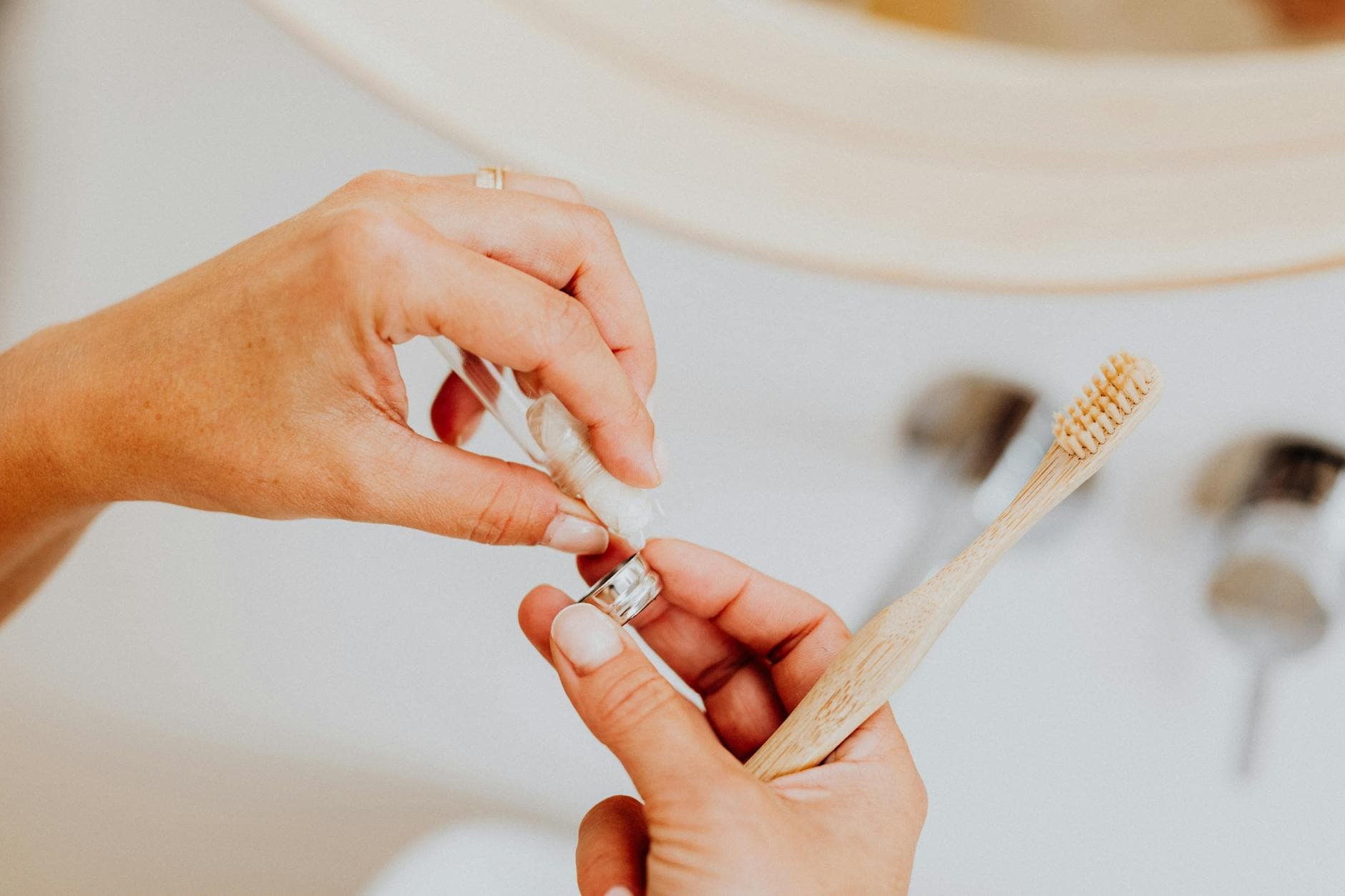
Every seasoned traveler has done the math on liquid ounces, remembered the TSA rules, and still somehow forgotten their toothbrush until the last possible second. You grab whatever is in the bathroom, toss it in your bag, and move on. But if you've been making the switch to a bamboo or compostable brush, that casual toss gets complicated fast. Because the little plastic travel case that used to protect your brush? It's still plastic. And it's probably going to outlive your next dozen trips.
This is the quiet contradiction at the center of eco-friendly oral care on the road. The brush improves. The case doesn't. And nobody talks about it much.
Why the Plastic Travel Case Is Still a Problem
The EPA estimates that Americans generate millions of tons of plastic waste annually, and the personal care category is a significant contributor. Most toothbrush travel cases are made from polypropylene or ABS plastic, neither of which is widely accepted in curbside recycling programs. They're too small for most sorting facilities to process, which means they go straight to landfill regardless of the recycling symbol on the bottom.
So you buy a bamboo toothbrush, feel genuinely good about it, and then store it in a piece of plastic that will be around for centuries. It's not the end of the world, but it does undercut the point.
The good news is that this is a solvable problem. It just takes a little more intention than dropping a brush into a hard shell case.
Option 1: The Breathable Cloth Sleeve
This is the easiest swap and the one most people overlook. A small drawstring bag made from organic cotton or linen lets your toothbrush dry between uses, which actually matters more than people realize. The ADA recommends storing toothbrushes in an upright, open-air position whenever possible. Sealed cases trap moisture, which encourages bacterial growth on bristles, no matter what the bristles are made of.
A cloth sleeve doesn't seal. It protects the head from your toiletry bag chaos while still letting air circulate. You can find them from zero-waste shops, or honestly, a small muslin bag meant for loose-leaf tea works fine. Wash it with your clothes. Done.
The only real limitation is that a cloth sleeve won't protect bristles from getting crushed inside a packed bag. If you're checking luggage and your toiletry kit is going to get compressed under three days of clothes, you need something with a little more structure.
Option 2: Bamboo or Cork Cases
Bamboo travel cases exist, and they're worth talking about with some honesty. They work. They're compostable at end of life, assuming you actually compost them and they're not coated in lacquer that interferes with breakdown. The ventilation situation is mixed: some have drilled holes that allow airflow, some don't.
Cork cases are a newer option and genuinely interesting. Cork is harvested without cutting down trees, it's naturally antimicrobial to a degree, and it has some give to it, which means it handles bag compression reasonably well. Research suggests cork's natural suberin content provides some resistance to mold, though it's not a substitute for actually letting your brush dry before you pack it.
Both materials have a trade-off: they're heavier than plastic, which matters if you're a carry-on-only traveler counting every gram. But if you're already carrying a bamboo brush and a shampoo bar, you've already accepted that sustainable choices sometimes weigh a little more.
Option 3: No Case at All
This sounds reckless, but hear it out. If you're traveling for two or three days, your toothbrush does not need a dedicated case. It needs to not stab you and not get contaminated by your gym shoes.
A reusable beeswax wrap folded around the head, secured with a small rubber band, is genuinely sufficient for a weekend trip. It's flexible, it takes up almost no space, and you were probably already using beeswax wrap in the kitchen. When you get where you're going, unwrap it, stand the brush up in a glass, let it dry overnight, and rewrap in the morning.
For longer trips, a clean glass jar with a loose-fitting lid stored upright in your bag works well. The brush head isn't touching anything, it's not sealed in moisture, and a glass jar is infinitely reusable and recyclable at actual end of life.
The Real Villain: Wet Bristles at Packing Time
Here is the thing most packing guides skip entirely. The biggest hygiene and sustainability problem with traveling with a toothbrush has nothing to do with the case. It's packing the brush wet.
Wet bristles sealed into any container, bamboo, cork, fabric, whatever, create a humid microenvironment that is genuinely hospitable to bacteria and mold. The ADA's guidance on this is consistent: rinse, shake off excess water, let it air dry before you store it. Even 20 minutes of open-air drying before you zip your bag makes a meaningful difference.
If your morning routine doesn't allow for that window, travel with two brushes and alternate. One dries while the other is in use. It sounds fussy but it takes about four seconds of thought.
What to Do With the Old Plastic Cases You Already Own
Don't throw them out. That's the short answer. A plastic toothbrush case that already exists is better used than discarded. It can hold a travel razor, hair pins, earbuds, small cables, or any number of things that rattle around in the bottom of a bag. Give it a second job until it actually breaks, then look into TerraCycle programs that accept hard plastics that curbside programs won't touch.
The goal isn't to have zero plastic objects immediately. It's to stop adding new ones when there are reasonable alternatives.
Building a Travel Kit That Actually Works
At Brush Club, the philosophy is pretty simple: the best sustainable swap is one you'll actually stick with. That means your travel oral care kit should feel easy, not virtuous and inconvenient.
For most people, that looks like a bamboo toothbrush stored in a breathable organic cotton sleeve, a small tube or jar of toothpaste tablets instead of a liquid tube, and the habit of drying the brush before it goes back in the bag. If you want structural protection for checked luggage, a bamboo or cork case with ventilation holes is worth the small weight penalty.
You can put together a solid travel kit from the Brush Club shop without a single piece of new plastic, and it'll take up less space than your current setup probably does.
One More Thing About TSA
Toothpaste tablets are not subject to the 3.1-ounce liquid rule. They're solid. This is not a small thing if you travel frequently and you're tired of the liquids bag shuffle. Switching to tablets for travel is one of those changes that solves two problems at once: the plastic tube waste and the carry-on liquid math. Worth mentioning every time this conversation comes up.
Travel is already complicated enough. Your toothbrush storage doesn't need to be the thing that derails your commitment to buying less plastic. A cloth bag, a dry brush, and a little forethought gets you most of the way there.
Photo by www.kaboompics.com on Pexels.
Sources
Related Articles
Ready to Make a Difference?
Start your sustainable oral care journey with our eco-friendly dental kit. Reduce plastic waste while maintaining excellent dental health.