Soft vs. Medium Bristles: What Dentists Really Recommend
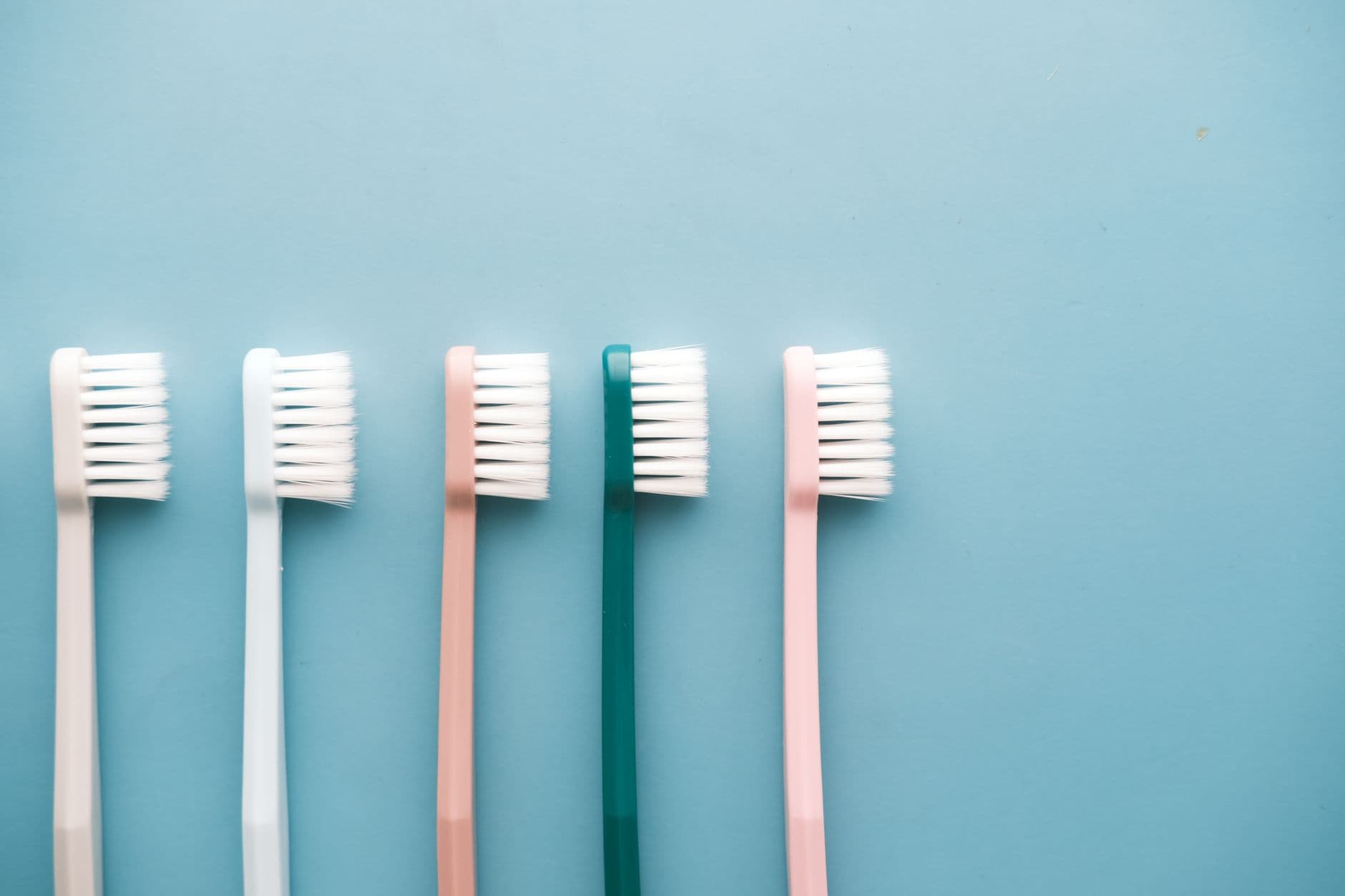
If you've ever stood in the dental care aisle squinting at toothbrush packaging, you know the soft vs. medium bristle question feels deceptively simple. Both options exist, both get marketed as effective, and yet most dentists have a pretty clear preference. Spoiler: it's not medium.
What the Dental Community Actually Says
The American Dental Association recommends soft-bristled toothbrushes for most adults. That's not a hedge or a gentle suggestion. It's the consistent guidance that has come out of decades of clinical observation. The reason is straightforward: the force most people apply while brushing is already more than enough to clean teeth effectively. Adding stiffer bristles to that equation doesn't improve cleaning. It adds abrasion.
Research suggests that medium and hard bristles, when used with typical brushing pressure, can contribute to enamel erosion and gum recession over time. These aren't dramatic overnight changes. They accumulate across months and years, which is exactly why people rarely connect the damage to their brushing habits.
The Case Against Medium Bristles
Medium bristles occupy a strange marketing middle ground. They sound reasonable, like the sensible choice between two extremes. In practice, though, the ADA and most periodontists would argue there's no real clinical advantage to choosing medium over soft for the average person.
Here's what medium bristles can do that you don't want:
Accelerate gum recession. Gum tissue is not especially forgiving once it recedes. Research suggests aggressive mechanical action from stiffer bristles is one contributor to the kind of recession that eventually exposes tooth roots and increases sensitivity.
Wear down enamel. Enamel is the hardest substance in your body, but it doesn't regenerate. Studies on toothbrush abrasion consistently show that bristle stiffness matters, especially at the gumline where enamel meets cementum and the surface is more vulnerable.
Reinforce bad brushing technique. If you're a pressure-heavy brusher (and a surprising number of people are, without realizing it), medium bristles amplify the problem. Soft bristles give you a bit more forgiveness.
So Who Actually Benefits From Medium Bristles?
Fair question. Medium bristles aren't useless. There are some narrow contexts where they show up:
Some people with dentures or certain orthodontic appliances are directed toward firmer bristles for specific cleaning tasks. Nail brushes and hardware cleaning brushes use medium-to-hard bristles for good reason. But we're talking about your gums and enamel. Different stakes.
If your dentist has specifically told you to use a medium-bristled brush based on your individual situation, that advice takes priority over general guidance. But if nobody told you that, and you've just been grabbing medium out of habit, it's worth rethinking.
Why People Still Reach for Medium Bristles
There are a few reasons the medium category keeps selling.
First, there's a widespread intuition that firmer equals cleaner. It feels logical. Scrub harder, get more done. That instinct works fine for dishes. For teeth, the plaque you're removing is a soft biofilm. You don't need force to disrupt it. You need contact and consistency.
Second, some people genuinely don't feel like they've brushed unless there's a bit of resistance. Soft bristles can feel underwhelming if you're used to medium. That's a sensory adjustment, not a cleaning deficiency.
Third, marketing hasn't helped. Terms like "whitening" and "deep clean" frequently get paired with stiffer bristle configurations, reinforcing the idea that firmness equals results.
The Technique Factor Is Bigger Than You Think
Here's something dentists will tell you if you give them the opening: the bristle type matters less than how you're using it.
The ADA recommends holding your brush at a 45-degree angle to the gums, using short back-and-forth strokes or small circular motions, and brushing for two full minutes twice a day. Most people brush for under a minute, apply more pressure than necessary, and use a scrubbing motion that concentrates force on a small area.
A soft-bristled brush used correctly will outperform a medium-bristled brush used with heavy pressure and poor angles every single time. If you're not sure about your technique, your hygienist can show you during your next cleaning. They've seen every brushing habit imaginable and won't judge you for asking.
Electric vs. Manual: Does Bristle Firmness Still Matter?
Yes, though the dynamic shifts a little. Most electric toothbrush heads are soft by default, which is one reason electric brushes tend to produce better outcomes in studies. The oscillating or sonic action does the mechanical work, so the argument for stiffer bristles gets even weaker.
If you're using a manual brush and have any history of gum sensitivity, recession, or enamel wear, soft is the only answer that makes sense. If you're using an electric, check that your replacement heads are soft. Some brands offer different firmness options and the packaging isn't always obvious about it.
What to Look for When You're Buying
Beyond soft vs. medium, a few other factors are worth considering:
Head size. Smaller heads tend to reach back teeth more easily. Most adults do better with a compact head than a full-size one.
Handle grip. If the handle is slippery or awkward, your technique suffers. Simple ergonomics matter.
Replacement schedule. The ADA recommends replacing your toothbrush or brush head every three to four months, or sooner if the bristles are visibly frayed. Frayed bristles lose their ability to clean effectively regardless of original firmness.
Materials. If you care about what ends up in landfills (and since you're reading this, you might), look at handle materials and bristle sourcing. Over a billion plastic toothbrushes enter the US waste stream every year according to EPA estimates. That number is worth knowing.
At Brush Club, all brushes use soft bristles. That's a deliberate choice based on the same evidence your dentist is working from.
The Bottom Line
Most people should be using soft-bristled toothbrushes. That's the professional consensus, and it's grounded in evidence about how brushing technique, force, and bristle firmness interact with gum tissue and enamel over time.
Medium bristles aren't going to ruin your mouth if you've used them for a month. But the cumulative effect of years of unnecessary abrasion is real, and it's the kind of thing you only notice once the damage is visible. Dentists see it constantly.
The upgrade here is cheap and easy. Next time you replace your brush, go soft. Focus on the two minutes, the angle, and the consistency. That combination, not bristle stiffness, is what actually moves the needle on oral health.
If you're also thinking about switching to something more sustainable while you're at it, our shop is a reasonable place to start looking.
Photo by Towfiqu barbhuiya on Pexels.
Sources
Related Articles
Ready to Make a Difference?
Start your sustainable oral care journey with our eco-friendly dental kit. Reduce plastic waste while maintaining excellent dental health.