Kids' Bamboo Toothbrushes: Are They Safe, Do They Last, and Which One Should You Buy?
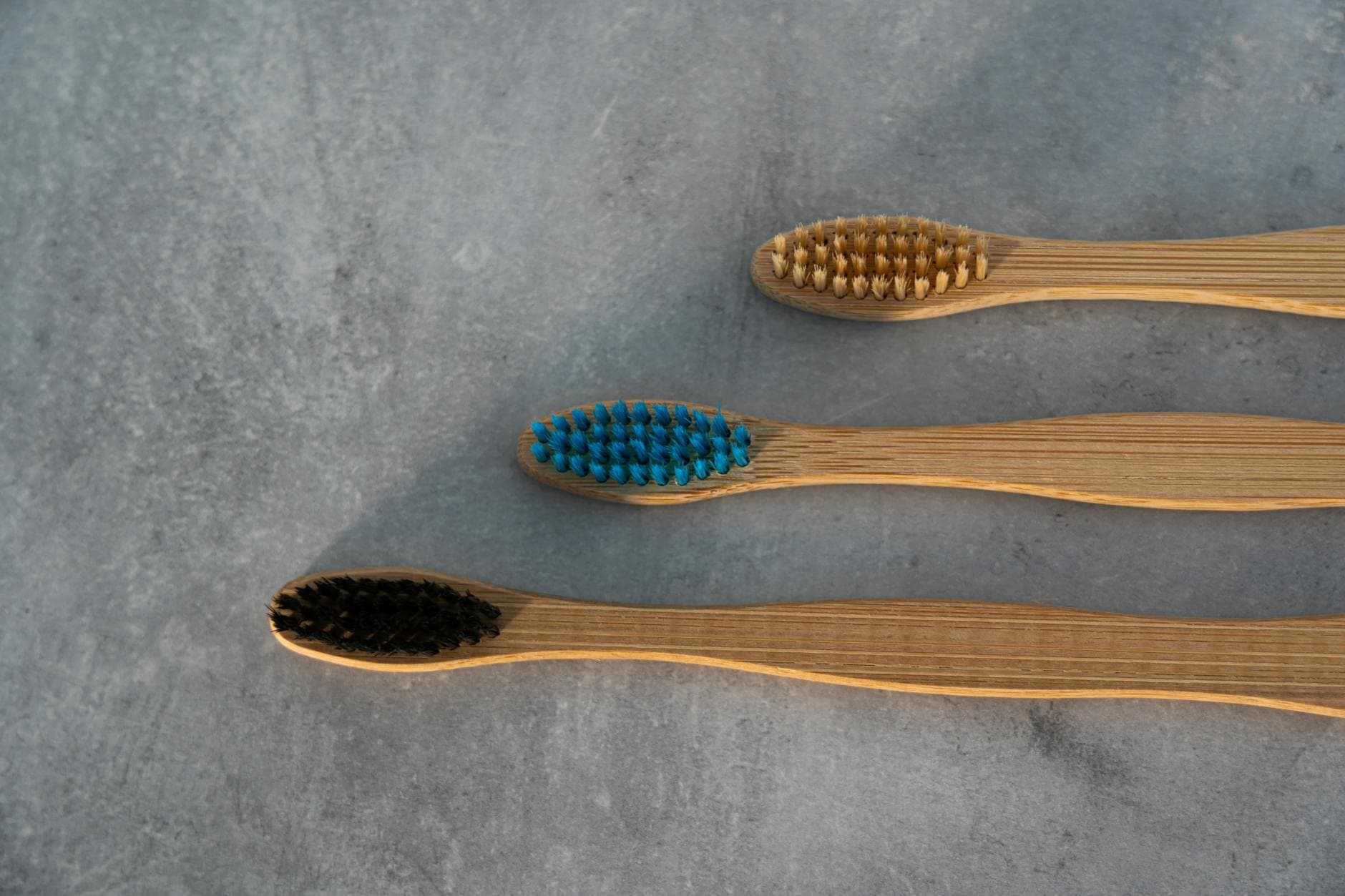
Switching your own toothbrush to bamboo is one thing. Handing one to a six-year-old who chews on everything, drops it on the bathroom floor, and occasionally uses it to poke the dog is a different question entirely. Parents ask me constantly whether bamboo toothbrushes are actually safe for kids, or whether it's one of those eco-swaps that sounds good in theory and falls apart in practice. The honest answer is: it depends on what you buy and what you know going in.
Why Parents Are Looking at Bamboo in the First Place
The math on plastic toothbrushes is hard to ignore once you see it. The ADA recommends replacing a toothbrush every three to four months, which means each person in your household goes through roughly four brushes a year. Multiply that by two or three kids and you're looking at a lot of plastic that, according to the EPA, takes hundreds of years to break down in a landfill. Bamboo handles are a straightforward swap for that specific problem. The handle biodegrades. The plastic doesn't.
That said, "bamboo" doesn't automatically mean "safe for children." Parents are right to ask harder questions.
Is Bamboo Actually Safe for Kids' Mouths?
Bamboo itself is a naturally antimicrobial material, which is part of why it's been used in kitchenware and cutting boards for centuries. Research suggests the antimicrobial properties come from a compound called bamboo kun, though the evidence on how much of that effect survives processing into a toothbrush handle is still thin. What we do know is that bamboo handles are non-toxic, and there are no known allergens associated with bamboo in oral use.
The more relevant safety question is finishing. Some bamboo toothbrushes are coated with lacquers or paints that aren't meant to go in mouths repeatedly. For kids, you want a handle that's either unfinished, beeswax-finished, or certified food-safe. Check the product details. If a brand won't tell you what's on the handle, that's a signal.
Also worth noting: bamboo is a hard, smooth material. It doesn't splinter the way cheap wood sometimes does. Reputable bamboo brushes are sanded smooth and won't give your kid a mouth full of splinters, even when they inevitably chew on the neck of the brush.
The Bristle Conversation Nobody Wants to Have
Here's the part that trips people up. Bamboo handles are biodegradable. Most bristles are not. The majority of kids' bamboo toothbrushes on the market use nylon bristles, specifically nylon-6 or nylon-4, and those need to be removed and tossed before you compost the handle.
Some brands market "plant-based" or "charcoal" bristles as a more natural option. Plant-based bristles do exist and can biodegrade, but they tend to be softer and wear down faster, which matters more for kids who brush with enthusiasm but not always with technique. Charcoal bristles are mostly a marketing angle. The evidence that charcoal adds any dental benefit is weak, and the ADA hasn't endorsed charcoal as a whitening or cleaning agent. For kids especially, skip the charcoal and focus on bristle softness and durability.
For children, dentists consistently recommend soft bristles. Hard or medium bristles can damage developing enamel and irritate gums. Whatever bamboo brush you're considering, make sure it specifies soft bristles, and look for one sized for kids rather than just a small adult brush.
How Durable Are They, Really?
This is a fair concern. A bamboo handle is wood. Wood and water aren't naturally best friends.
The key is airflow. A bamboo toothbrush stored in a closed cup where water pools at the base will start to show wear much faster than one stored upright with room to dry between uses. The same applies to adult bamboo brushes, but kids are more likely to leave a brush sitting in a puddle of water or store it flat. Getting a holder that allows the brush to stand upright and air-dry is a simple fix that extends the life of the brush significantly.
Under normal use and decent storage conditions, a bamboo toothbrush should last the same three to four months that any toothbrush would before the bristles start to fray. If yours is wearing down faster, it's usually a storage issue or a sign that your kid is brushing with a death grip, which is worth addressing with technique anyway.
What to Look for When Buying
Not all bamboo kids' brushes are created equal, and the market has grown fast enough that there's real variation in quality. Here's what actually matters:
Handle finish: Unfinished or food-safe finished only. No synthetic lacquers.
Bristle type and firmness: Soft, appropriately sized for children. If the packaging doesn't specify soft, skip it.
Handle size: Kids' handles should be shorter and narrower than adult ones. A toothbrush that's too large makes it harder for a child to maneuver properly around back teeth.
Age rating: Some brands specify age ranges. This is useful for very young children, roughly ages three to six, where choking considerations around brush head size matter.
Certification or transparency: Brands that are willing to list their materials clearly, or carry certifications like FSC for sustainable bamboo sourcing, are generally more trustworthy than those that just put "natural" on the label and call it done.
Pack size and price: Kids go through brushes fast, between recommended replacements and the occasional toilet incident. Buying in packs of four or more is almost always more economical. At Brush Club, we've found that families do better with a subscription or bulk option rather than buying one at a time.
Making the Handoff Easier for Kids
Some kids push back on bamboo brushes simply because they feel different. The handle is lighter than plastic, and the texture is slightly different in the hand. Most kids adjust within a few brushing sessions, but if you're getting resistance, here's a low-pressure approach: let them pick a color if the brand offers handle engravings or colored bristles, and frame it as their own specific brush rather than a generic substitute. Kids are surprisingly motivated by ownership.
Also, modeling matters more than explaining. If they see you using a bamboo brush without making it a big sustainability lecture, it becomes normal faster.
The Composting Step
When it's time to replace the brush, pull the bristles out with pliers and toss them in the trash, then put the bamboo handle in your compost. It won't break down overnight; bamboo is dense. But it will break down, which is more than a plastic handle will ever do. Teaching kids this two-step disposal process is actually a nice, concrete way to explain why you made the switch in the first place. It's tangible in a way that abstract conversations about plastic pollution rarely are for young kids.
The Bottom Line
Bamboo toothbrushes are safe for kids when you buy from transparent brands that use food-safe finishes and properly sized, soft bristles. They're durable enough to last a standard replacement cycle with decent storage habits. The bristles are still mostly nylon, and that's okay as long as you know to remove them before composting the handle. Shop thoughtfully at /wholesale if you're buying for a school, a practice, or a larger household.
The swap isn't complicated. It just takes a few minutes of reading before you add something to your cart.
Photo by Castorly Stock on Pexels.
Sources
Related Articles
Ready to Make a Difference?
Start your sustainable oral care journey with our eco-friendly dental kit. Reduce plastic waste while maintaining excellent dental health.