How to Make Your Bamboo Toothbrush Last a Full 3 Months
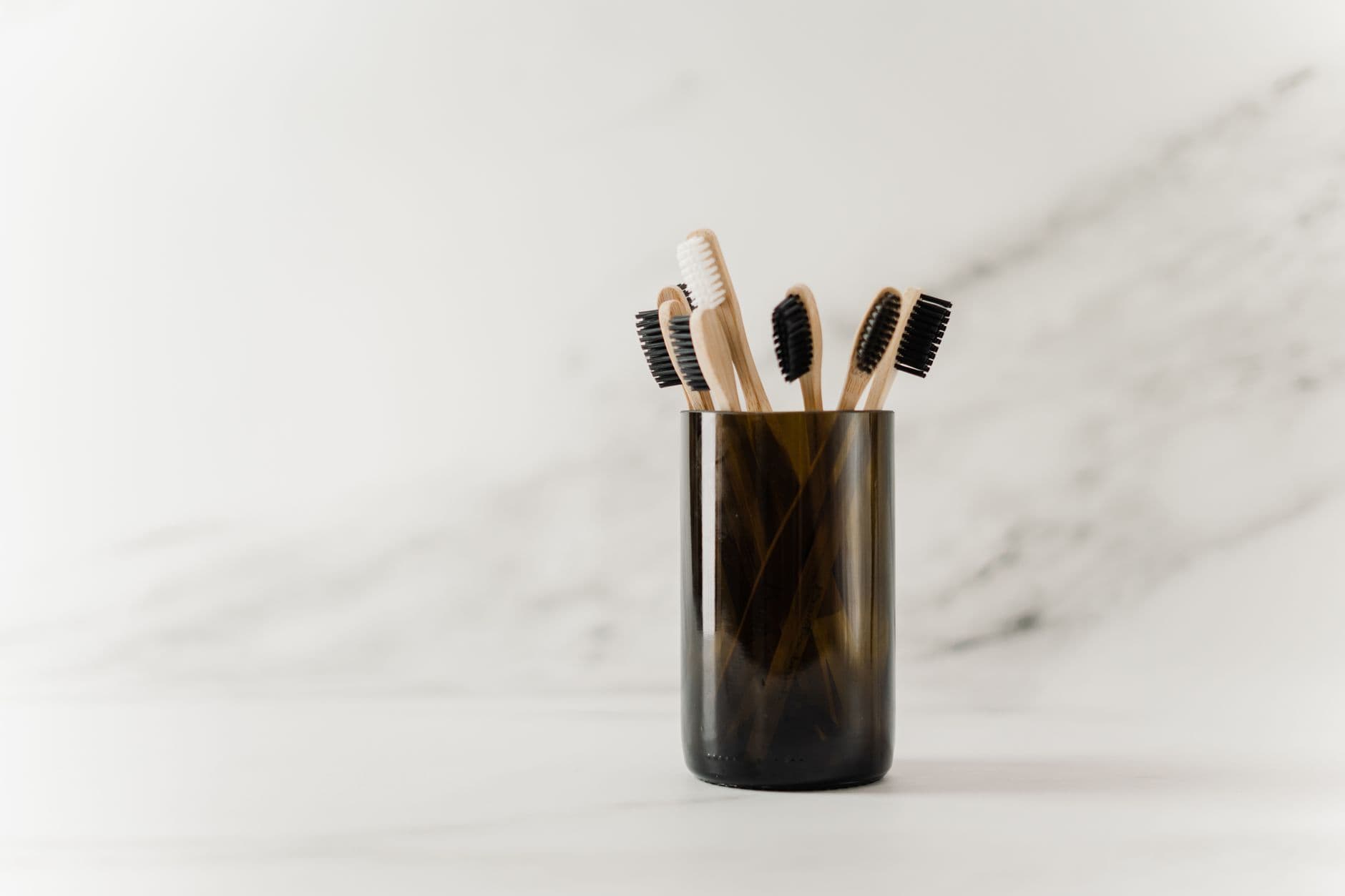
The ADA recommends replacing your toothbrush every three months. Most bamboo toothbrush owners replace theirs sooner — not because the bristles are shot, but because the handle looks rough, feels slimy, or starts to smell. That's a care problem, not a materials problem. Bamboo is actually quite durable when you treat it right. Here's how to get every last day out of your handle before it earns its retirement.
Why Bamboo Handles Fail Early (It's Almost Always Moisture)
Bamboo is a grass, not a hardwood, and its cellular structure is genuinely dense and strong. The issue is that most bathrooms are humidity chambers. Steam from showers, water pooling on countertops, and toothbrush holders that trap standing water all work against you. When bamboo stays wet between uses, the outer layer softens, micro-cracks form, and mold finds a foothold in those cracks. The handle isn't defective — it's just sitting in conditions it was never meant to handle 24/7.
The fix is mostly about airflow and drying time, not about buying a more expensive brush.
The Single Biggest Upgrade: Your Storage Setup
If you're storing your toothbrush in a closed cup or a holder with a solid bottom, water pools around the handle every single time you use it. Switch to an open-air holder — something with a ventilated base or even a simple cup with a few holes drilled in the bottom. Better yet, a wall-mounted holder that suspends the brush bristle-down (or at least upright with nothing touching the wet lower section) makes a noticeable difference.
The goal is that within an hour of brushing, the handle should be essentially dry to the touch. If it's still damp three hours later, your storage is working against you.
Shake It Out — Seriously
This sounds minor. It isn't. After you rinse your brush, give it two or three firm shakes to throw off the water sitting at the base of the bristles and around the neck of the handle. Water wicks down toward the handle joint and sits there. That's the spot that tends to darken or crack first on bamboo brushes that wear out early. Ten seconds of shaking after every use adds up to a meaningfully drier brush over the course of a week.
Keep It Away From the Shower Stream
Counter-intuitive, but bathroom placement matters. Brushes stored right next to the shower get hit with steam and occasional spray on a daily basis. That's a lot of extra moisture exposure that has nothing to do with actually brushing your teeth. Moving your holder to the other side of the sink, or to a shelf farther from the shower, can reduce ambient moisture contact significantly. A small change, but bamboo responds to it.
Oil the Handle Once a Month
This one surprises people. A light coat of food-grade mineral oil or coconut oil on the bamboo handle — applied with your fingertip, then wiped off after a minute — creates a mild moisture barrier in the surface pores. Furniture makers have used this trick on bamboo cutting boards and butcher blocks for decades. It doesn't waterproof the handle, but it slows down the absorption of water and helps prevent the surface from drying out and cracking between uses.
Do this once a month, take about 90 seconds, and let the brush air-dry before you use it again. You'll notice the handle stays smoother and the color stays more even over time.
Don't Let Toothpaste Sit on the Handle
Toothpaste is mildly abrasive and usually contains some form of surfactant. When it drips onto the handle and dries there, it can pull moisture out of the surface layer of the bamboo unevenly, which leads to micro-warping and surface roughness. Rinse the whole brush — handle included — after each use. It takes two extra seconds. Over three months, that's the difference between a handle that still looks good and one that looks like it spent the season outdoors.
Watch the Bristles, Not Just the Handle
Here's the thing most people get backwards: the handle of a bamboo toothbrush is usually the more durable part. The bristles are what actually determine brushing effectiveness. Research suggests that frayed or splayed bristles are significantly less effective at plaque removal than flat, intact ones — which is the core reason the ADA recommends the three-month replacement cycle in the first place.
So the real job of handle care is to make sure the handle lasts as long as the bristles, not longer. You shouldn't be throwing away a structurally sound handle just because the care routine wasn't there. If you're caring for your brush properly and the bristles are still in good shape at 10 or 11 weeks, you're winning. If the bristles are fraying at 6 weeks, that's usually a brushing pressure issue — you're pressing too hard.
If the Handle Gets Surface Mold
Small dark spots on a bamboo handle are usually surface mold from moisture exposure. This doesn't automatically mean the brush is ruined, but it does mean your storage situation needs to change immediately. You can try wiping the handle with a cloth barely dampened with white vinegar, then letting it dry completely in a well-ventilated spot for several hours. If the spots come back within a few days, replace the brush — at that point the mold has worked into the surface layer and isn't coming out.
The better move is preventing it entirely. Mold on a bamboo brush is always a storage and drying problem.
Traveling With a Bamboo Brush
Travel cases are where bamboo brushes go to die prematurely. Closed plastic travel tubes trap moisture against the handle for hours, sometimes days if you're not careful about airing things out. Look for a travel case with ventilation slots, or use a simple breathable fabric sleeve instead of a hard tube. When you get to your destination, take the brush out of the case immediately and let it air out before your next use. Bamboo handles that have traveled extensively in sealed cases often show wear at 6 to 8 weeks that properly stored brushes don't show until after the three-month mark.
The Broader Point
A bamboo toothbrush that gets replaced at 6 weeks instead of 12 doubles your annual handle waste. Across millions of users, that math adds up fast — the EPA estimates that over a billion plastic toothbrushes end up in U.S. landfills every year, and switching to bamboo only helps if the handles are actually lasting as long as they should. Getting your full three months isn't just good for your wallet. It's the whole point.
At Brush Club, we treat the three-month mark as the goal, not the best-case scenario. The handles are designed for it. The care habits above are how you get there.
If you're buying for a household or want to reduce per-brush costs further, our wholesale options are worth a look. But regardless of where you buy, the care routine is the same — and it's genuinely simple once it's habit.
Photo by cottonbro studio on Pexels.
Sources
Related Articles
Ready to Make a Difference?
Start your sustainable oral care journey with our eco-friendly dental kit. Reduce plastic waste while maintaining excellent dental health.