How to Compost a Bamboo Toothbrush the Right Way
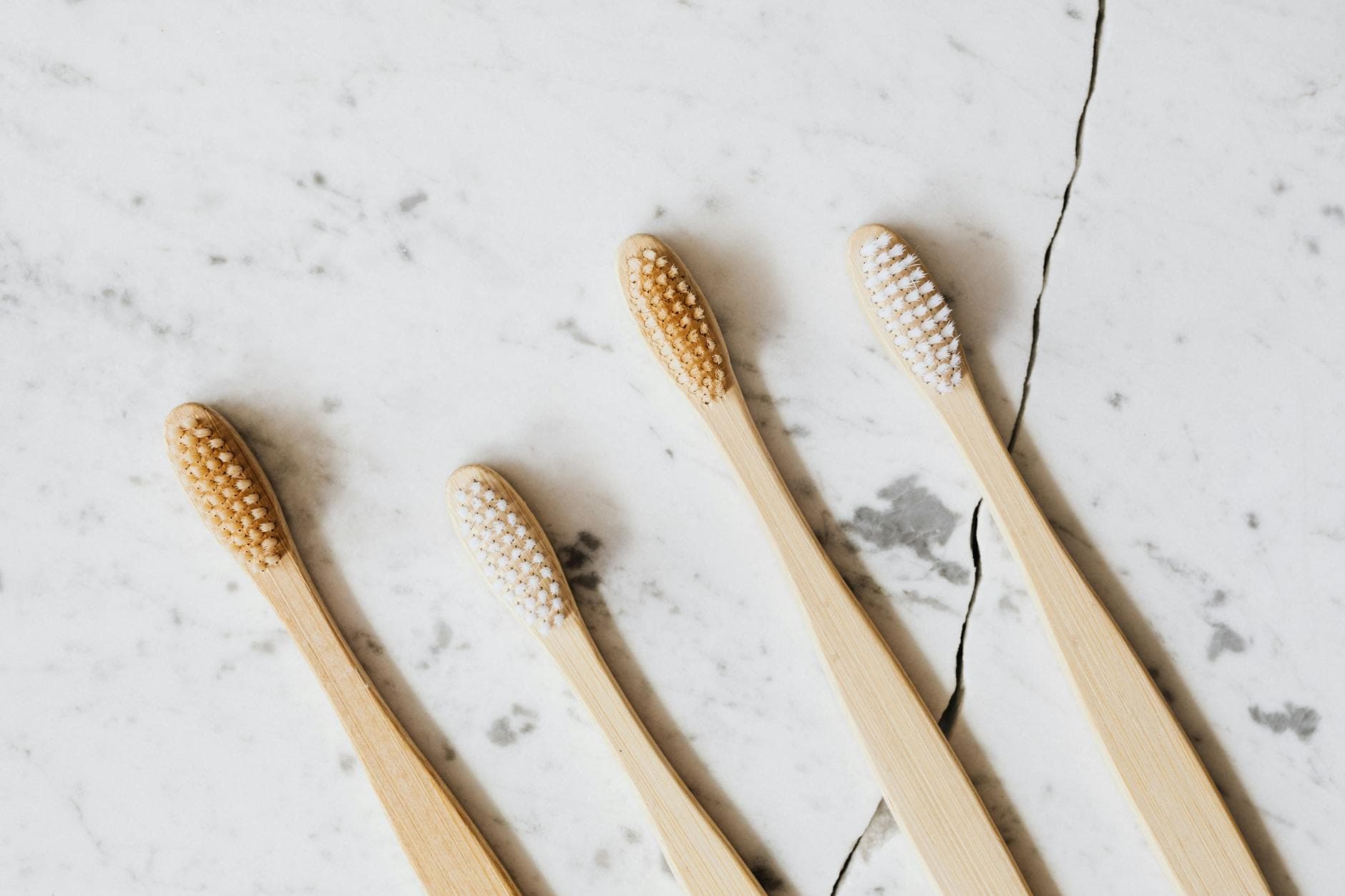
You switched to a bamboo toothbrush. Good move. But now it's three months later, the bristles are splayed, and you're holding a used toothbrush wondering whether to toss it in the compost bin or just... not. The honest answer is: it depends on the parts, and most people get this wrong.
Here's a straightforward breakdown of what can actually be composted, what can't, and how to do it without guessing.
Why Bamboo Handles Are Compostable (and What That Actually Means)
Bamboo is a grass, not a hardwood, and it breaks down faster than most people expect. Under the right conditions — heat, moisture, microbes — a bare bamboo handle can decompose in roughly four to six months in a hot compost pile, or somewhat longer in a cold pile or backyard bin. The EPA classifies yard trimmings and food scraps as the backbone of home composting programs, and bamboo fits squarely into that organic material category.
The key phrase there is "bare bamboo handle." Most handles arrive with a light polish or natural oil finish to resist moisture during use. That coating is usually food-safe and plant-based, which means it won't block decomposition in any meaningful way. You don't need to sand it off or soak it. Just pull the bristles and drop the handle in.
What compost can't process is anything synthetic. Which brings us to the uncomfortable part of this conversation.
The Bristle Problem Nobody Talks About Enough
Almost every bamboo toothbrush on the market — including most "eco" options — uses nylon bristles. Specifically, nylon-6 or nylon-610. The ADA recommends soft nylon bristles for gum safety, and right now there's no plant-based alternative that performs comparably over a full three-month brush cycle. Anyone claiming fully compostable bristles is usually talking about a bristle that degrades only under industrial conditions, or one that compromises on cleaning effectiveness.
Nylon is a plastic. It does not belong in your compost bin. Full stop.
The move here is simple: grab a pair of needle-nose pliers, grip the bristle tuft close to the head, and pull. It takes about 90 seconds. The bristles come out in small clusters. Drop those into your regular trash or, if your area has a soft plastics recycling program, check whether nylon is accepted. Some TerraCycle programs also accept them, though availability varies by region.
Once the bristles are out, the handle is yours to compost cleanly.
Cold Pile vs. Hot Pile: Which One Actually Works
This is where a lot of people get frustrated. They pull the bristles, bury the handle in their backyard compost bin, and six months later it's still sitting there looking basically intact. That's not a failure — that's just cold composting doing what cold composting does.
A cold pile (the kind most backyard bins are) works slowly. Temperatures rarely get above 50 to 60°F, microbial activity is lower, and woody materials like bamboo take time. You might be waiting 12 months or more. That's fine if you're patient. Speed it up by burying the handle in the center of the pile rather than the edges, and chop or score it with a knife if you want faster results.
A hot pile is the better option. Hot composting means you're actively managing your pile — turning it regularly, maintaining a carbon-to-nitrogen ratio around 25:1 to 30:1, and hitting internal temperatures between 130 and 160°F. At those temperatures, research suggests bamboo breaks down significantly faster, and the heat also kills pathogens. The EPA's composting guidance covers this method in detail if you want to go deep on the process.
If you don't have a backyard setup at all, municipal composting programs in many cities accept wooden items. Check your local guidelines. Some explicitly list bamboo utensils and handles as accepted materials.
What to Do With the Packaging While You're At It
Since you're already doing this properly, take a second to think about what the toothbrush came in. Cardboard packaging is an obvious yes for composting or recycling. If the inner wrapper is a clear film, check whether it's cellophane (compostable) or polypropylene (not). Cellophane feels slightly papery and crinkles differently than plastic wrap. Polypropylene is shinier and stretches slightly. When in doubt, compost the cardboard and trash the film.
At Brush Club, the packaging is designed with exactly this kind of end-of-life moment in mind, because a toothbrush box that ends up in a landfill undermines the whole point of switching materials.
A Few Composting Mistakes Worth Avoiding
Putting the handle in without removing bristles is the most common one, already covered. But there are a few others:
Expecting the handle to vanish quickly in a small, dry bin. Bamboo needs moisture. If your compost pile is too dry, break it up, water it lightly, and mix in green materials like food scraps or fresh grass clippings to rebalance.
Composting a handle that has a rubber or plastic grip. Some toothbrushes use a bamboo core with a TPE or silicone thumb grip. That rubber part is not compostable. Remove it before adding the handle to the pile — same motion as pulling bristles, usually just peeling or cutting it free.
Assuming "biodegradable" and "compostable" mean the same thing. They don't. Biodegradable means something will eventually break down — but that could mean decades in a landfill with minimal oxygen and microbial activity. Compostable means it will break down within a specific timeframe under composting conditions. Bamboo handles are genuinely compostable. The certification that confirms this for commercial products is usually BPI (Biodegradable Products Institute) or TÜV Austria.
The Actual Step-by-Step
In case you want a clean checklist:
- Wait until the brush head is worn (three to four months of normal use).
- Use needle-nose pliers to pull bristles out in small clusters.
- Dispose of bristles in trash or check for local soft plastics recycling.
- Score or chop the handle if you want faster breakdown (optional).
- Bury the handle in the center of an active compost pile.
- If using a cold pile, expect 6 to 12 months. Hot pile, significantly less.
- Check municipal composting acceptance if you don't compost at home.
That's it. No special equipment, no complicated process. The switch to bamboo is only as good as the end-of-life plan behind it, and this one is genuinely easy to follow through on.
If you're ready to stock up before your current brush reaches the end of its run, the shop has handles in a few different sizes and bristle firmness options. And if you're buying for a household or business, the wholesale page has what you need.
Three months goes fast. Pull the bristles. Compost the handle. Repeat.
Photo by www.kaboompics.com on Pexels.
Sources
Related Articles
Ready to Make a Difference?
Start your sustainable oral care journey with our eco-friendly dental kit. Reduce plastic waste while maintaining excellent dental health.