How Often Should You Actually Replace Your Toothbrush?
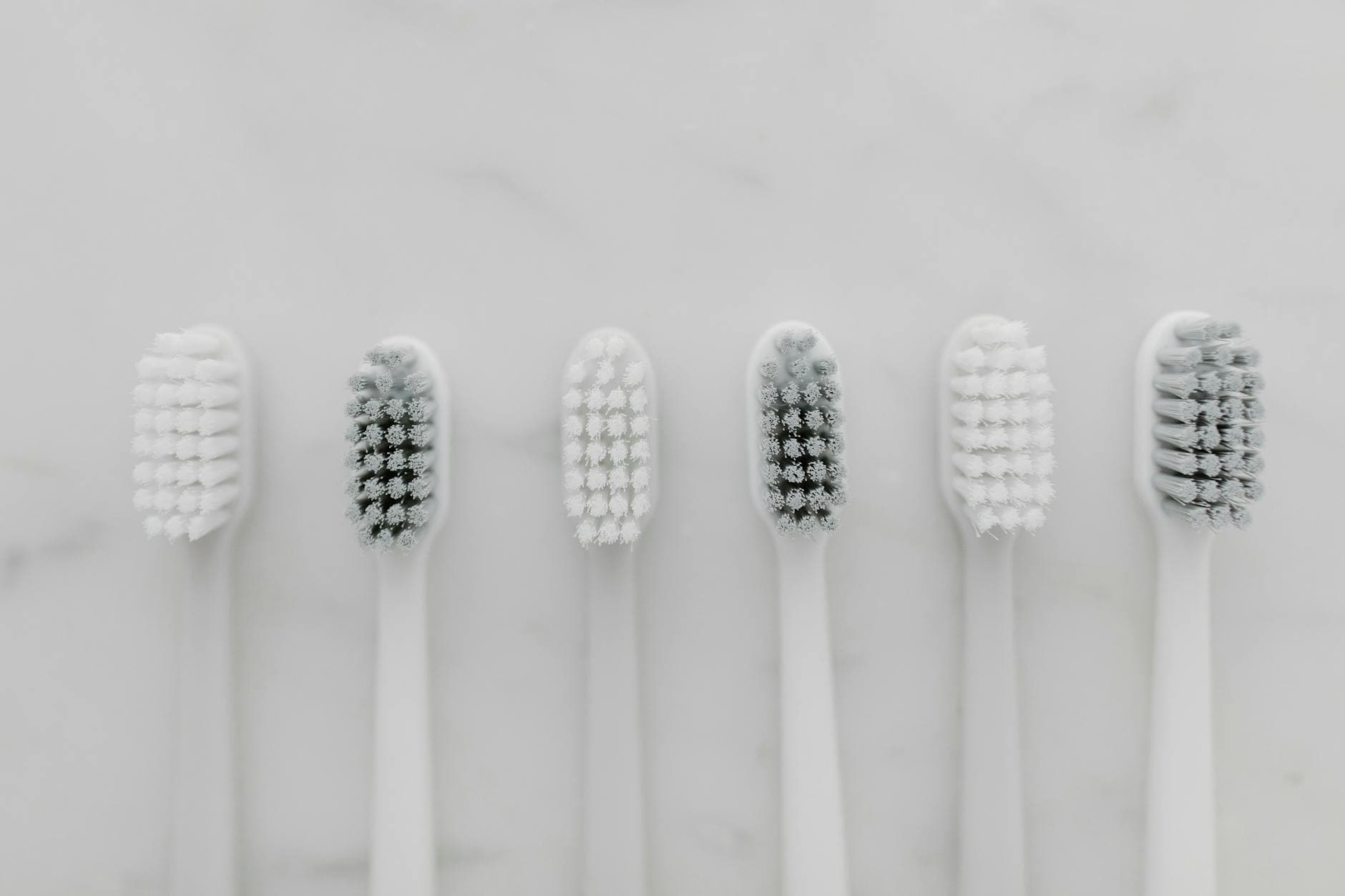
Most people replace their toothbrush when it looks genuinely frightening — splayed bristles pointing in six different directions, maybe some mystery discoloration. Turns out, that's way too late. The actual answer is more nuanced than a simple calendar reminder, and understanding the reasoning makes it a lot easier to build the habit correctly.
The 3-to-4-Month Rule (And Where It Comes From)
The American Dental Association recommends replacing your toothbrush every three to four months. That's not an arbitrary number. Bristles break down with regular use, and once they start to fray or flatten, they lose their ability to clean efficiently along the gumline and between teeth. Research suggests that a worn brush can remove significantly less plaque than a fresh one — which is the whole point of brushing in the first place.
Three months is roughly 90 sessions if you're brushing twice a day. For most people, that's enough mechanical wear to degrade bristle performance even if the brush still looks okay to the naked eye. So if your brush looks fine at month four, it's probably still time to swap it.
When You Should Replace It Sooner
The three-month mark is a general guideline, not a hard deadline on the late side. Several situations call for an earlier swap.
After being sick. Cold and flu viruses can survive on moist surfaces for hours. The ADA and most dentists recommend replacing your brush after any illness that involves your mouth or throat — strep throat especially. Reinfecting yourself with a toothbrush is not a fun plot twist.
Visible wear before the three-month mark. If you're a hard brusher (and you probably know if you are), your bristles may splay within six weeks. That's a sign to either replace the brush or consciously ease up on pressure. Frayed bristles don't just clean poorly — they can also irritate gum tissue over time.
Shared bathrooms. This one gets overlooked. Toothbrushes stored near each other can transfer bacteria between bristles, even without direct contact. If your brush somehow ended up touching someone else's, replace it. The EPA has documented how airborne particles from toilet flushing can travel several feet — another good reason to store brushes away from the toilet and to keep covers on when not in use.
A new set of braces or aligners. Orthodontic hardware is harder on bristles. Brackets and wires create friction that accelerates wear, so people with braces often find themselves on a six-to-eight-week replacement cycle rather than twelve.
The Honest Case for Electric Brush Heads
Electric toothbrushes follow roughly the same timeline — replacement heads every three months. The difference is that replacement heads are smaller, so the environmental footprint of tossing them is a bit less than a full manual brush. That said, the plastic still ends up somewhere. Most conventional brush heads aren't recyclable through standard municipal programs.
If you're using a manual brush and want a cleaner option, bamboo-handled brushes with nylon bristles are a reasonable middle ground. The handle is compostable (remove the bristles first — they're not), and you're not shipping a bunch of virgin plastic to a landfill four times a year. That's something Brush Club was built around, if that kind of thing matters to you.
How to Make the Habit Stick
Knowing you should replace your brush every three months and actually doing it are different things. A few approaches that work:
Buy in sets. Purchasing four brushes at once removes the friction of reordering. You open a new one each quarter without having to think about it. You can grab a multi-pack at /shop if you want to set this up in one go.
Tie it to a recurring calendar event. New Year's Day, April 1, July 1, October 1. That's your four replacement dates. Set a recurring calendar reminder once and you're done.
Use the first of the month. Some people find it easier to replace on the first day of a month that falls within their three-to-four-month window. It's a rounder psychological anchor than tracking from a specific date.
Keep a spare visible. If your replacement brush is in a drawer, out of sight, you'll forget it exists. Keep the next one in plain view on the counter or in the medicine cabinet. Visible cues outperform memory every time.
What Happens If You Don't Replace It
This isn't meant to be alarmist, but it's worth being specific about the actual consequences. A degraded brush means less effective plaque removal. Plaque that isn't cleared hardens into tartar within about 24 to 72 hours, and tartar can only be removed by a dental professional. Tartar buildup is directly linked to gingivitis and, over time, periodontitis — a more serious form of gum disease that research suggests may have connections to cardiovascular and systemic health outcomes.
You're also looking at a higher bacterial load on an old brush. Warm, moist bristles are a reasonable environment for microbial growth, and while healthy immune systems handle this without incident, there's no real upside to brushing your teeth with something that's been sitting wet for four months past its prime.
None of this means you're going to lose all your teeth because you forgot to replace your brush in October. It does mean the thing you're relying on to keep your mouth clean has quietly stopped working as well as it should.
A Note on Toothbrush Care Between Replacements
How you store your brush between uses affects how long it performs well. Rinse it thoroughly after each use and store it upright so it can air dry. Covered or enclosed brush holders stay damp longer, which encourages bacterial growth — counterintuitive, but a simple open holder in a well-ventilated spot is better. Don't share brushes. And skip the microwave or dishwasher sanitizing methods; the heat warps bristles faster than regular use does.
If you want to sanitize, UV sanitizers designed specifically for toothbrushes exist and work reasonably well, though they're not essential if you're on a consistent replacement schedule.
The Simple Summary
Replace your toothbrush every three months, sooner if you've been sick or the bristles are visibly worn. Store it upright, let it dry between uses, and don't overthink the rest. The three-month rule exists because it's the point at which bristle performance reliably drops off enough to matter — not because dentists needed something to tell patients.
Building that replacement habit is genuinely one of the easier oral health upgrades you can make, and unlike flossing, it requires almost no extra effort on your part. You're already brushing. You just need a brush that's actually doing its job. Check out the options at /shop if you want to line up your next few replacements in one place.
Photo by Tara Winstead on Pexels.
Sources
Related Articles
Ready to Make a Difference?
Start your sustainable oral care journey with our eco-friendly dental kit. Reduce plastic waste while maintaining excellent dental health.