Corn Fiber Floss vs. Nylon: What Actually Works Better (and What Breaks Down After)
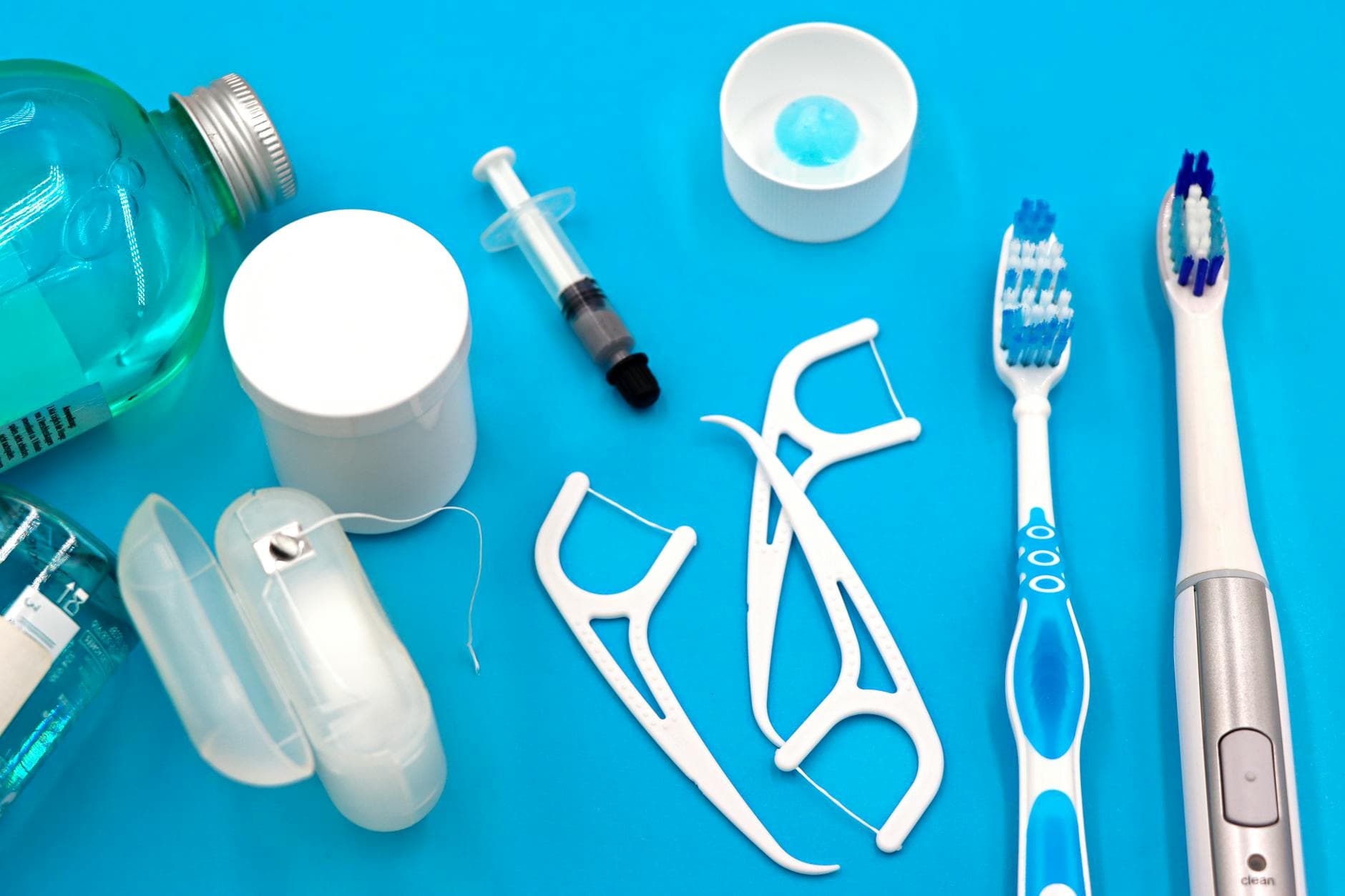
Most of us grab whatever floss is on sale and think nothing of it. But if you've started paying attention to what goes in the trash — or what stays in a landfill for the next 500 years — dental floss suddenly gets a lot more interesting. Nylon floss has been the industry default for decades. Corn fiber floss is newer, louder about its eco credentials, and increasingly showing up in sustainable living circles. So which one actually does the job, and which one can you feel good about tossing afterward? Here's an honest look at both.
What Nylon Floss Is Made Of (and Why It Became the Standard)
Conventional floss is made from nylon — a petroleum-derived synthetic fiber — sometimes coated in Teflon (PTFE) or wax to help it glide between teeth. It's been the dominant format since the mid-20th century because it works. Nylon is strong, resistant to shredding, and slick enough to navigate tight contacts between teeth without snapping.
The problem is what happens after you use it. Nylon doesn't biodegrade in any meaningful timeframe. The EPA estimates that synthetic plastics can persist in the environment for hundreds of years. Multiply that by the roughly 122 meters of floss the ADA recommends you use annually, and across a population, you're looking at a quiet but substantial plastic stream ending up in landfills and, sometimes, waterways.
There's also the PTFE question. Some waxed flosses use polytetrafluoroethylene coatings, and while the ADA considers these safe for oral use, ongoing consumer concern about fluorinated compounds has nudged a lot of people toward alternatives.
What Corn Fiber Floss Actually Is
Corn fiber floss is typically made from PLA — polylactic acid — derived from fermented plant starch, most often corn. It's spun into a fiber, sometimes coated with natural waxes like candelilla or beeswax, and sold as a biodegradable or compostable alternative to conventional floss.
The fiber itself is genuinely plant-derived, which matters from a raw materials standpoint. You're not pulling from petroleum reserves to make it. That's a real difference.
But here's where it gets nuanced. PLA is compostable under specific industrial conditions — high heat, controlled humidity, active microbial environments. Toss it in your backyard compost pile and it may or may not break down in any reasonable timeframe, depending on your setup. Home composting typically doesn't hit the temperatures (around 140°F or higher) that industrial facilities use. So "compostable" on the label doesn't automatically mean "throw it in the garden bin and you're done."
That said, it's still a meaningful step up from nylon. Even if it ends up in a landfill, PLA has a better environmental profile in terms of production emissions than petroleum-based synthetics.
The Real Question: Does Corn Fiber Floss Clean as Well?
This is where a lot of eco-friendly dental products have historically underdelivered, so it's worth being straight about.
Corn fiber floss performs competitively with nylon for most people with average tooth spacing. The fiber is strong enough for regular use, glides reasonably well with a natural wax coating, and removes plaque effectively along the gumline when used correctly. Research suggests that the mechanical action of flossing — the scraping motion against the tooth surface and under the gumline — matters more than the specific material doing the scraping.
Where corn fiber floss can fall short: very tight contacts between teeth. Nylon has a slight edge in tensile strength and elasticity, which means it's less likely to snap when forced through a particularly snug gap. Some users with crowded teeth or heavy dental work report more breakage with plant-based alternatives. If that's you, it may take some trial with different brands and textures to find one that works.
For everyone else, the performance gap is small enough that it shouldn't be the deciding factor.
What Dental Professionals Say
Dentists are largely agnostic about the material as long as you're actually flossing. The ADA's consistent message is that the technique and frequency matter most — flossing once a day, wrapping the floss in a C-shape around each tooth, and moving it gently below the gumline. Do that with any decent floss and you're doing the right thing.
Where dental professionals tend to weigh in more strongly is on floss thickness and texture. Wider flosses or dental tape tend to cover more surface area. Waxed options are generally recommended for tighter contacts. Some periodontists specifically recommend unwaxed floss for people with gum disease because it may pick up more bacteria. None of these preferences are specific to nylon versus plant fiber — they're about geometry and coating.
A few progressive dental offices have started stocking or recommending compostable floss as part of a broader conversation about patient health and environmental health being connected. It's not mainstream yet, but it's a growing conversation.
The Packaging Piece Nobody Talks About Enough
Here's a frustrating irony: some eco-friendly flosses come in plastic packaging that offsets whatever benefit the floss itself provides. A compostable floss thread wrapped in a non-recyclable plastic dispenser isn't really a sustainable product — it's a sustainable ingredient in an unsustainable package.
When you're evaluating options, look at the full picture. Glass dispensers, cardboard packaging, and refillable systems change the math considerably. Some brands, including what we do at Brush Club, have leaned into the refillable model specifically because the dispenser is often the bigger plastic problem.
Waxed vs. Unwaxed in the Plant-Based World
Most corn fiber floss comes with a natural wax coating — candelilla wax is the most common vegan option, derived from a Mexican shrub. Beeswax versions exist too, though those won't appeal to everyone.
Candelilla wax performs comparably to the synthetic waxes used on conventional floss. It reduces friction, helps the fiber glide, and doesn't noticeably affect how the floss picks up plaque. If anything, natural wax coatings tend to have a cleaner feel without the slightly artificial texture some people notice with heavily coated nylon products.
Making the Switch: What to Expect
If you're switching from nylon to corn fiber floss for the first time, give yourself two weeks before you make a judgment. The texture feels slightly different — a bit less stretchy, sometimes slightly more matte — and your hands need a little time to calibrate. Some people find the grip actually easier with natural fiber.
Start with a waxed version if you have any tight spacing. If your teeth are more evenly spaced, an unwaxed option will give you a better sense of the raw material's performance. Either way, the technique stays exactly the same.
You can find corn fiber options in our shop alongside the rest of our dental kit lineup if you want to see how they compare side by side.
The Bottom Line
Nylon floss works well. It's also a petroleum product that persists in the environment essentially forever. Corn fiber floss works nearly as well for most people, is made from a renewable feedstock, and has a genuinely lower environmental footprint — with the honest caveat that "compostable" requires the right composting conditions to mean much.
If you have very tight teeth, experiment before committing. If you have average spacing and no serious dental concerns, the switch is low-risk and the upside — both environmental and in terms of what you're putting in your mouth — is real.
Dentists want you to floss. The material is secondary. Pick something you'll actually use every day, and if that something also happens to be better for the planet, that's not nothing.
Photo by Marta Branco on Pexels.
Sources
Related Articles
Ready to Make a Difference?
Start your sustainable oral care journey with our eco-friendly dental kit. Reduce plastic waste while maintaining excellent dental health.